...

Roof Replacement Chino Valley, AZ — High-Quality Systems

Roof replacement in Chino Valley, AZ starts with checking roof condition, past leaks and material options. Replacement may suit widespread wear that repairs cannot fix. Compare removal work, roof-deck repairs and installation needs before asking for a written cost breakdown.

Home » Roof Replacement

Roof Replacement Options in Chino Valley

When Replacement May Be Needed

Widespread wear, repeated leaks or damaged roofing layers may make replacement suitable. However, a small defect does not always mean the whole roof needs replacing. Start with an assessment and compare the proposed work with repair options.

Tear-Off and Decking Assessment

A replacement quote should explain which layers will be removed and how damaged decking will be assessed and priced. An overlay adds a new covering over existing roofing, while tear-off removes the specified layers. Suitability depends on the existing assembly, condition, selected system and applicable requirements; do not assume every roof can be overlaid.

Compare roof installation requirements and verify the contractor’s credentials before agreeing to work.

Discuss underlayment, flashing and ventilation alongside the surface material. Suitability depends on the roof slope, existing structure and installation requirements.

Urgent Roof Damage

For active leaks or storm damage, keep people away from unsafe areas. Confirm contractor availability and response time; temporary protection and permanent replacement may be separate tasks.

Signs Your Roof May Need Replacement

A roof check can identify widespread wear, repeated leaks and damaged layers. Based on these findings, compare repair and replacement options before choosing the work.

Worn Roofing Materials

Aging shingles or membranes may crack, curl or lose protective surface material. However, material condition and damage extent should be assessed before choosing repair or replacement.

Failed Seams and Flashing

Movement and weather can affect seams, flashing and roof openings. However, a small defect may only need repair; wider damage may call for replacement.

Wet Insulation or Damaged Decking

Leaks may damage insulation or the roof deck. Therefore, ask which areas need more checks and how damaged materials will be repaired or replaced.

Weather and Thermal Movement

Sun, storms and temperature changes can wear down a roof. For this reason, check fasteners, seals and roofing materials before choosing the next step.

Planning Your Roof Replacement

First, establish the roof condition and required scope. Next, compare suitable materials, installation details and access arrangements. A written proposal helps clarify costs and responsibilities before work begins.

Replacement may be suitable when repairs cannot address widespread damage. However, compare the condition findings, proposed materials and total scope before deciding. Energy performance and service life depend on the roof assembly, installation and maintenance.

A roof inspection can identify visible concerns and areas needing further assessment. Also, confirm whether moisture testing is appropriate and included. Agree on how unexpected decking or insulation damage will be documented and priced.

Roof Condition Assessment

Ask for visible findings and any further checks needed. Also, confirm whether moisture testing is suitable and included in the quote.

Drainage and Roof Slope

On low-slope roofs, discuss drains, low spots and insulation layout. Drainage improvements depend on the existing assembly and proposed work.

Suitable Roofing Materials

Compare shingles, tile, metal or membranes for your roof slope and structure. However, heat and energy benefits depend on the selected system and building.

Roof Replacement Services in Chino Valley

Describe the property, roof material and known concerns when requesting a replacement assessment. Then, confirm the contractor’s experience with the system, project scope and service availability.

Illustrative comparison of storm-damaged shingles and a renewed shingle covering on the same house.

Storm-Damaged Roof Replacement

Storm damage may need replacement when repairs cannot fix the affected area. Ask for damage findings and photographs. Compare materials and the proposed work; temporary protection and insurance decisions are separate.
Illustrative comparison of worn and renewed shingle roofing on the same apartment building.

Multi-Unit Roof Replacement

Apartment and multi-unit projects need phased work, safe access and tenant coordination. Confirm the roof system, delivery arrangements and restricted areas. Agree on reporting and cleanup with building management before work begins.
Illustrative comparison of worn basic shingles and dimensional architectural shingles on the same roof.

Architectural Shingle Options

Compare architectural shingles, product ratings, appearance and warranty terms. Check whether the material suits your roof slope, with underlayment, flashing and ventilation specified as part of the roof system.
Illustrative comparison of a worn low-slope membrane and renewed membrane with drain and vent flashing.

Flat & Low-Slope Roof Replacement

Low-slope replacement may involve membranes, insulation and drainage improvements. An assessment checks existing layers and wet materials first. Agree on system compatibility, removal requirements and detailing around drains, curbs and parapets.
Illustrative comparison of exposed worn tile-roof underlayment and reset terracotta tiles with a small new-underlayment cutaway.

Tile Underlayment Renewal

A tile lift-and-reset replaces worn underlayment while keeping tiles that are still suitable. However, this differs from replacing every roof tile. Before agreeing to work, confirm tile condition, supporting battens, flashing and broken-tile replacement.
Illustrative comparison of rusted metal panels and new gray metal roofing on the same workshop.

Metal Roof Replacement

Metal replacement may suit widespread panel damage or roof-system failure. Compare panel types, fasteners and flashing, suitable underlayment, finish options and future care.
Illustrative comparison of damaged gray shingles and exposed roof decking with gray shingle roofing work on the right.

Residential Shingle Roof Replacement

A shingle replacement scope should cover tear-off, decking assessment and new roofing layers. Confirm flashing, ventilation, cleanup and disposal. Ask how unexpected wood damage will be documented and charged.
Illustrative comparison of deteriorated commercial roof membrane and renewed white membrane around the same rooftop equipment.

Commercial Membrane Replacement

Commercial replacement may involve TPO or EPDM, insulation and detailed flashing work. Confirm removal requirements, drainage and rooftop access. Compare compatible systems with the contractor; our roof waterproofing page explains related considerations.

Roof Replacement Costs

Roof replacement cost depends on roof area, material, slope and access. Tear-off, disposal and damaged decking can affect the quote. Request an itemized scope and confirm how additional work will be priced.

For a replacement estimate, share known leaks and the existing roof material. Ask for removal, disposal, decking repairs and new materials to be itemized. Also, confirm exclusions, payment terms and applicable warranty information.

Replacement Cost Factors

Partial Roof Replacement

Replacing an addition or roof section needs matching materials and sound connections. Therefore, confirm whether a partial replacement suits the existing roof.

Quote Required

Based on roof condition, material and scope

Standard Residential

Residential replacement may include tear-off, deck repairs and new shingles. Confirm the full system, removal requirements and any additional repair charges.

Quote Required

Based on roof condition, material and scope

Tile or Metal Replacement

Compare tile and metal systems for structural suitability, slope and installation needs. Material choice, access and required repairs affect the quote.

Quote Required

Based on roof condition, material and scope

Commercial or Multi-Unit

Larger projects require system selection, access planning and staged work. Confirm insulation, drainage and reporting requirements with the contractor.

Quote Required

Based on roof condition, material and scope

How The Roof Replacement Process Works

First, assess the roof and agree on the scope. Next, confirm materials, charges and scheduling. After removal and installation, review completed work, cleanup and applicable warranty documents.

Assessment

First, inspect accessible roof areas and review previous leaks. Where suitable, additional moisture testing can support the assessment. Then, agree on the replacement scope.

Tear-Off

Remove the layers included in the agreed scope. Also, assess exposed decking and confirm approval for any additional repairs.

Rebuild

Next, install the agreed underlayment, materials and flashing. Also, confirm ventilation details and follow the selected system’s installation instructions.

Final Review

Review completed work and cleanup. Then, ask for relevant photographs, warranty documents and maintenance guidance.

Choosing a Roof Replacement Contractor

Choose a contractor with experience in your roof system. Verify licensing and insurance, compare written scopes and ask how damaged decking, access and documentation will be handled.

Relevant Experience and Credential Checks

Ask for examples of replacement work using your roof material and a comparable building. Request licensing details and current insurance documents, then verify them with the relevant issuing authority and insurer.

What Your Written Proposal Should Cover

Look for materials, removal scope and decking repair rates, plus flashing, ventilation and disposal. Confirm exclusions, scheduling, payment terms and how additional work will be approved. Review product warranty conditions separately from any workmanship terms offered.

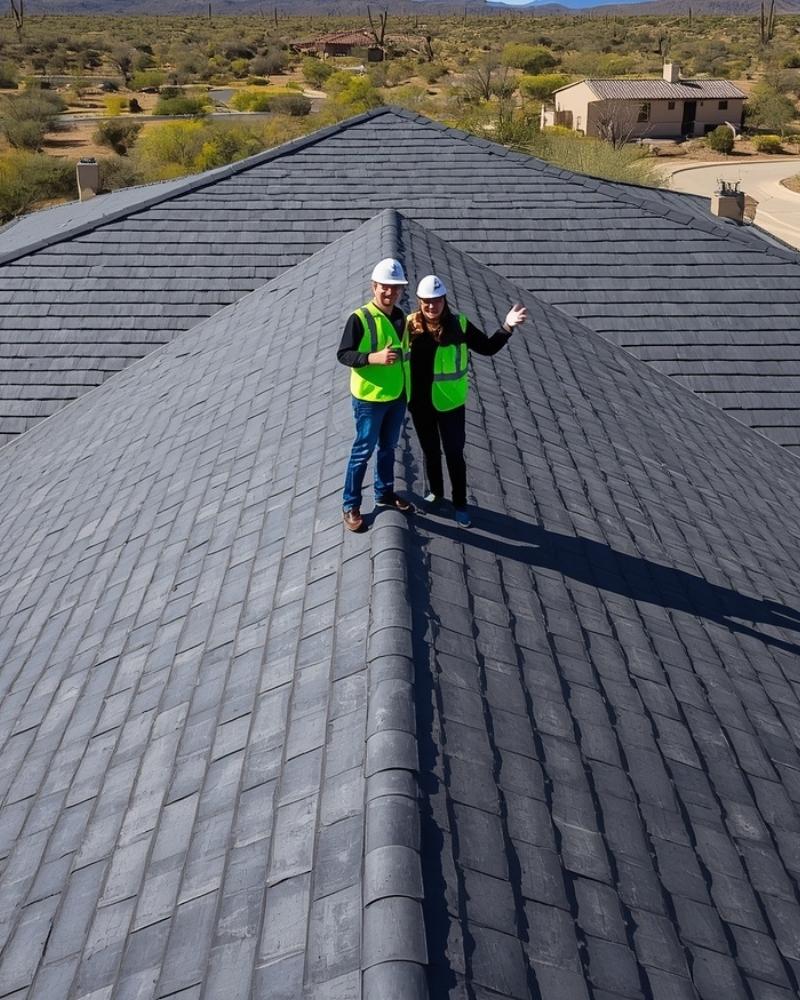
Two people wearing hard hats and safety vests on a gray roof.

Decking Assessment

Confirm how damaged decking will be identified, documented and priced after removal.

Energy Considerations

Discuss insulation, ventilation and reflective materials. However, energy benefits depend on the building and complete roof system.

Proof of Quality

Ask for photographs and records of removed layers, repairs and completed installation.

Material Compatibility

Confirm material suitability for the slope, existing structure and installation requirements.

Verify Licensing and Insurance

Check the contractor’s current credentials and insurance before agreeing to the replacement work.

Access and Scheduling

Agree on deliveries, restricted areas and work hours. Also, discuss how the work may affect daily access to the property.

Clear Removal Scope

Ask which layers will be removed and whether the proposed method suits the existing roof. Tear-off requirements depend on roof condition and the project.

Transparent Project Reporting

Agree on progress updates, additional-work approvals and final records before starting.

Proudly Serving Chino Valley & Surrounding Areas

Professional Roofing Services Across Northern Yavapai County

Roof Replacement FAQs: Everything You Need to Know

What does a roof replacement mean?

Roof replacement renews an existing roofing system according to the agreed scope. It may include removal, decking repairs, underlayment and new materials. A repair addresses a defined defect; new-construction installation starts on a new roof structure. Structural framing work requires a separate assessment.

Why would a roof need replacing?

Replacement may suit widespread deterioration or repeated failures that repairs cannot adequately address. However, roof age alone does not decide the answer. An assessment helps compare repair and replacement.

Will the roof leak with missing shingles?

Missing shingles can expose underlying materials and increase leak risk. However, they do not automatically require full replacement. Arrange an assessment to confirm local repair needs and underlying damage.

How much does a roof replacement cost in AZ?

Cost depends on roof size, material, removal work and access. In addition, repairs to decking, flashing or insulation can add charges. Therefore, request a written cost breakdown for your property.

How long does roof replacement take?

Timing depends on roof size, material, removal scope, access, weather and any concealed damage. Ask for a proposed schedule and how delays or additional work will be communicated before agreeing on a start date.

How will the property be protected during replacement?

Agree on access, deliveries, debris handling and protected areas before work starts. Ask how landscaping, belongings and daily access will be managed, and which cleanup and waste-disposal tasks are included.

What type of roof is best for heavy rain and hot climates?

The suitable system depends on roof slope, structure, drainage and installation requirements. Reflective options may help with heat absorption, but no material guarantees freedom from leaks or lower energy bills.

What are the best materials for a roof replacement in Arizona?

Shingles, tile, metal and low-slope membranes suit different roof systems. Therefore, compare fit, appearance, care needs and warranty terms with the contractor before choosing a material.

Request a Roof Replacement Estimate

Describe your roof, location and known concerns. This form submits an inquiry, not a confirmed appointment. Contractor availability, assessment scope, scheduling and charges must be confirmed separately.

Tap to Call — (928) 260-3592