 Skip to content
In Chino Valley, AZ, high desert weather is highly intense and damaging to residential and commercial structures. For property owners across Chino Valley, Prescott, and Prescott Valley, Northern Arizona’s unique climate puts continuous, extreme environmental stress on roofs year-round.
A roof is an interconnected protective system that gradually weakens under intense sun and wind. A minor vulnerability that stays completely hidden during dry spring months can rapidly turn into an expensive interior crisis when severe monsoon storms hit Yavapai County. See our pre-monsoon inspection checklist for a step-by-step look at what to check before storm season.
Understanding these high-desert risks early helps homeowners avoid expensive repairs, protect their property value, and prevent sudden financial surprises. Our team recommends a proactive, seasonal roof inspection to make sure your home stays secure before storm season arrives.
1. Understanding the High Desert Climate Impact
- Extreme Weather Conditions: Chino Valley sits at an elevation of approximately 4,750 feet, placing local properties in a climate zone with intense UV exposure, low humidity, fast temperature shifts, and sudden monsoons. These conditions create deep structural stress over time.
- UV Radiation Damage: At nearly a mile high, the atmosphere offers minimal filtration against destructive rays. Roof surfaces in Arizona routinely exceed 150°F under direct summer sunlight, causing UV degradation that makes materials dry, brittle, and weak.
- Daily Temperature Swings: The desert’s wide diurnal temperature variation causes a strong cycle of thermal expansion and contraction. Because a roof consists of different materials moving at different speeds, this daily movement cracks sealants, weakens joints, and loosens mechanical fasteners.
Pro Tip: Walk your property after the first summer heat wave in May. If you notice any shingle edges starting to curl upward at the corners, schedule a roof inspection immediately — curling accelerates fast once it begins and becomes expensive quickly.
2. Wind Damage and Structural Stress
- Wind Uplift and Pressure Zones: Open landscapes across Yavapai County allow strong winds to move completely unobstructed across rooftops. Wind creates dynamic pressure zones as it sweeps over a structure, generating lift forces that pull at shingle tabs, shift heavy tiles, and break adhesive seals — a condition known as wind uplift damage.
- Edge Damage Starts First: Most wind-driven structural damage begins at the absolute perimeter of a roof layout. The primary weak points include perimeter shingle edges, ridge caps, and roof-to-wall flashing corners where aerodynamic turbulence is highest.
- Hidden Damage After Wind Events: Even if no materials look broken from the ground, wind storms cause significant hidden structural damage. Strong forces create invisible gaps, loose structural nails, and broken internal glue seals that only appear as active leaks when the next heavy rain arrives.
Pro Tip: After any wind event above 40 mph, check your ridge line and perimeter edges from the ground using binoculars. Lifted shingle corners are completely invisible from street level but easy to spot with basic magnification before they become active leak points.
3. Monsoon Rain and Water Intrusion Risks
- What Makes Monsoon Rain Dangerous: The annual Arizona monsoon season brings a volatile combination of dust storms, lightning, extreme wind gusts, and heavy rainfall. These storms push water horizontally at extreme speeds, causing dangerous wind-driven rain infiltration under loose tabs.
- Flashing Weak Points: The vast majority of roof leaks originate at critical transition joints, including chimney flashing junctions, plumbing vent pipes, rubber boots, and sloped valleys. Once the sealant cracks due to thermal shifts, rainwater enters the structure quickly.
- Water Path Inside the Roof: When rainwater bypasses your outer layer, it hits the secondary defense layer: the underlayment. If this layer fails, water moves directly into the deeper wood layout, causing sub-surface leakage far from the original entry point.
Pro Tip: Check all interior ceilings within 24 hours after the first monsoon storm of the season. Fresh water stains appear light yellow — older stains are darker brown. Catching a new stain within the first 24 hours saves thousands in structural repair costs compared to discovering it weeks later.
4. Heat Damage and UV Degradation
- Roof Surface Overheating: During Northern Arizona summers, dark shingles absorb solar radiation and easily exceed safe material limits. This intense surface overheating bakes the entire roof assembly, accelerating drying and causing a complete loss of physical material flexibility.
- “Alligatoring” Effect: When asphalt shingles lose their natural pliability from sun baking, they contract, split, and form a distinct pattern of interconnected surface cracks known as alligatoring (because it looks like reptile skin), which severely reduces waterproofing.
- Granule Loss Problem: Asphalt shingles feature embedded protective mineral granules that block UV rays. Extreme heat destroys the asphalt bond, causing these granules to loosen and wash down into your gutters, leaving bald spots that accelerate the breakdown of the exposed mat underneath.
Pro Tip: Run your hand lightly along a shingle surface on a cool morning. If the surface feels rough and sandy — like fine grit paper — the granules are actively shedding and UV protection is already seriously compromised. This is a clear sign that roof inspection and likely replacement planning is needed.
5. Moisture and Hidden Water Damage
- Underlayment Protection Layer: Below your primary roof surface lies a hidden secondary underlayment layer. Trapped attic heat and advanced age make standard organic felt underlayment brittle, weak, and full of micro-cracks, allowing water to migrate deeper.
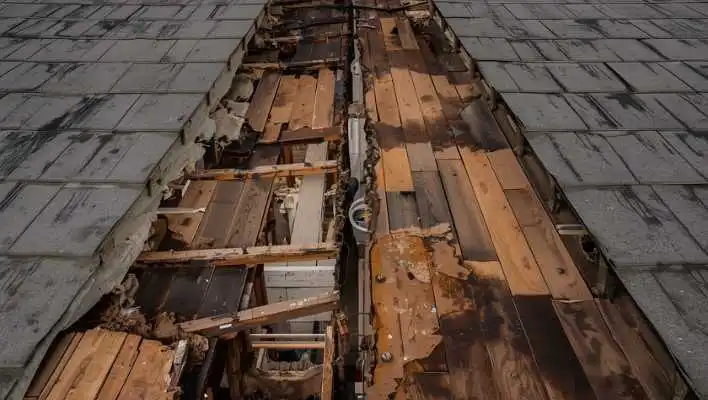
- Substrate Saturation Risk: When rainwater bypasses both the outer materials and the underlayment, it creates a dangerous condition known as substrate saturation. The plywood or OSB deck boards completely absorb the trapped moisture, leading to softened wood framing and wood rot.
- Attic Moisture Build-Up: Once moisture passes through the wood decking, it drops directly into your attic space. Here, the water is absorbed by your fiberglass or cellulose insulation, which acts exactly like a heavy sponge. Lacking sufficient attic ventilation, this trapped moisture cannot easily evaporate.
- Mold Growth Conditions: Trapped moisture inside a dark, unventilated attic space sets the stage for dangerous, toxic mold growth. Mold requires three specific conditions to thrive: moisture from a leak, high ambient heat, and poor ventilation.
Pro Tip: If you have safe attic access, check inside 24 to 48 hours after a heavy monsoon storm. Turn off your flashlight for a moment — if you see any pinpoints of daylight shining through the roof deck boards, you have an active water entry point that needs immediate roof repair before the next storm.
6. Roof Type Vulnerabilities
Asphalt Shingle Weakness: Properties throughout local neighborhoods like Chino Meadows heavily feature asphalt shingle designs. Over time, the internal fiberglass mat loses its flexibility, leaving shingle tabs stiff, brittle, and prone to curling at the edges or snapping off during high winds.
Tile Roof Underlayment Issues: Homes throughout communities like Highlands Ranch utilize heavy clay or concrete tile installations. While tiles act as a durable surface and a shedding layer, the actual waterproofing occurs at the hidden underlayment level. Trapped heat beneath the tiles can accelerate cracking in the underlayment.
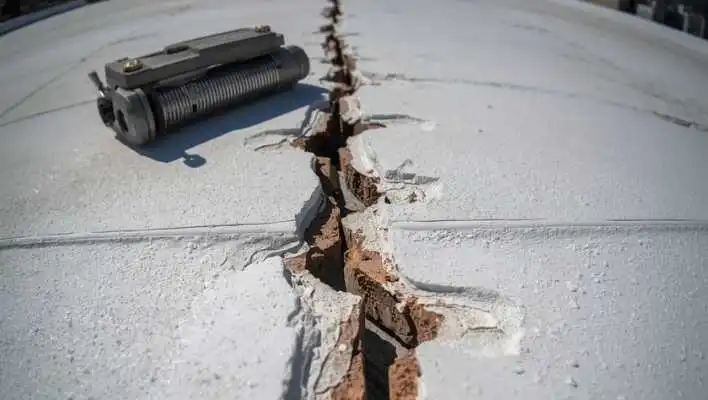
Flat Roof Risks: Commercial properties and modern homes with flat or low-slope roof sections typically utilize single-ply membranes like TPO, PVC, or EPDM. Intense summer heat causes these membranes to expand and contract, placing constant tension on the heat-welded or glued seams, leading to seam delamination and water ponding.
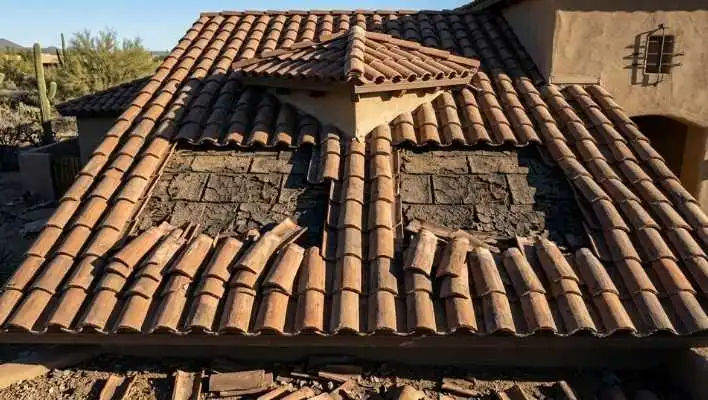
Pro Tip: For tile roofs older than 12 years, safely lift one tile near a valley or chimney and inspect the felt paper underneath. If it crumbles or tears easily between your fingers, the entire underlayment system needs professional evaluation before monsoon season arrives.
7. What Homeowners Can Check Safely
- Ground-Level Inspection: Homeowner safety is paramount. Property owners should never climb onto a steep roof. You can spot the vast majority of early warning signs safely from the ground using a pair of binoculars. Look for broken tiles, lifted shingles, sagging gutters, or loose chimney flashings.
- Gutter Warning Signs: Check the discharge ends of your downspouts after a rainstorm. If you find thick piles of dark, sand-like mineral granules, your shingles are likely losing their protective coating. Also, look for blocked drainage pathways that act like a dam, forcing water to back up behind flashings.
- Interior Warning Signs: Take a walk through your upper-floor rooms and look closely at the ceilings and wall corners for subtle, light-brown water stains, bubbling paint, or peeling wallpaper. If you step into your attic space and notice a distinct musty or damp odor, moisture is actively bypassing your outer roof assembly.
Pro Tip: Photograph your roof from the same ground positions every spring. Year-over-year comparison photos make changes clearly visible — shifted tile positions, new staining patterns, or gutter separation — that would be completely invisible during a single seasonal inspection.
8. Preventive Maintenance & Insurance Value
- Cost Saving Strategy: Adopting a preventive maintenance mindset is a highly effective financial strategy. Small, affordable fixes—such as replacing a worn pipe boot or securing a loose shingle tab—help you avoid major internal leaks, expensive structural wood decay, mold remediation costs, and premature full roof replacements.
- Seasonal Inspection Advantage: The absolute best time to arrange a roof assessment is during the late spring, well before the regional monsoon season arrives. This allows you to address necessary minor repairs or a routine tune-up on a calm, orderly schedule, securing better access to qualified professionals.
- Insurance Baseline Report: Documenting your roof’s pre-storm condition provides a clear baseline report. This makes it straightforward to prove exactly what damage was caused by a recent storm rather than long-term wear, helping you get fast approval from your insurance provider.
Pro Tip: Keep a simple roof maintenance log — note the date of each inspection, any repairs completed, and the contractor name. Insurance companies process storm damage claims significantly faster when homeowners can demonstrate documented, proactive maintenance history on their property.
9. Professional Inspection Value
Experienced local roofing teams utilize non-destructive tools like moisture meters or thermal mapping cameras to track temperature anomalies along your roof deck, pinpointing areas of hidden insulation saturation. An expert inspection provides a comprehensive evaluation, checking all perimeter metal flashings, plumbing boots, underlayment integrity, and attic ventilation clearance.
What do professional inspection tools find that visual checks miss?
Advanced Diagnostic Technology
Experienced roofing professionals use non–destructive diagnostic tools that identify damage completely invisible to the naked eye. Moisture meters track sub-surface water saturation levels inside decking and insulation without requiring any material removal. Thermal mapping cameras detect temperature anomalies along the roof deck surface, pinpointing areas of hidden insulation saturation that appear completely dry and undamaged from above.
Comprehensive Health Reporting
A complete professional roof inspection evaluates all perimeter metal flashings, plumbing boot condition, underlayment integrity at transition zones, and attic ventilation clearance. This comprehensive assessment provides a detailed digital health report with photographic documentation that serves as both a repair roadmap and a verifiable property record.
Pro Tip: Ask your inspector specifically for a thermal imaging report in addition to the standard visual assessment. A written visual report alone frequently misses subsurface moisture saturation. Thermal imaging reveals hidden wet spots beneath the surface that become major structural failures during the monsoon season if left undetected.
Final Conclusion
Your roof is the most critical protective layer guarding your home from intense UV heat, wind pressure, horizontal monsoon rain, and daily temperature shifts. Even small, unaddressed issues can rapidly turn into serious structural damage if ignored.
A proactive professional inspection before monsoon season in Chino Valley protects your home equity, reduces repair costs, and improves long-term durability. The key to successful high desert home maintenance is simple:
- Fix small problems early before they turn into emergencies
- Inspect your system before storms arrive in Yavapai County
- Maintain your roof regularly to maximize your structural lifespan
Frequently Asked Questions
Does a roof inspection report help with Yavapai County insurance claims?
Yes. A professional pre-storm inspection report provides a documented, photographic baseline of your roof’s condition before any storm event. This makes it straightforward to separate new storm damage from pre-existing wear, which significantly streamlines the claims process and speeds up approval from your insurance provider.
What is the alligator skin warning sign on asphalt shingles?
Alligatoring is a distinct cracking pattern that develops when high-altitude solar radiation strips the protective natural oils from shingle surfaces over time. The sun-baked surface becomes completely brittle, dries out, and splits into interconnected cracks that visually resemble reptile skin. Spotting this pattern from the ground means the roof needs immediate professional evaluation.
Why do tile roofs in Prescott Valley leak when the surface tiles look perfect?
Tile roofs rely entirely on a hidden secondary underlayment layer for actual moisture protection. The visible clay or concrete tiles only shed surface water — the underlayment does the real waterproofing work. Intense desert heat trapped beneath the tiles dries out and damages this felt layer over time, allowing water to pass through even when every surface tile looks completely intact and properly aligned.
How do Chino Valley wind speeds cause hidden roof damage?
Strong desert winds create aerodynamic lifting forces along the roof perimeter that break the adhesive manufacturer seals beneath individual shingle tabs or shift heavy tiles out of alignment. The surface materials may not blow off entirely, but these broken seals create hidden gaps where horizontal monsoon rain infiltrates the structure during the next storm event.
What does substrate saturation mean for a home’s structural framing?
Substrate saturation occurs when rainwater bypasses both the outer roofing materials and the underlayment layer, completely soaking the underlying plywood or OSB deck boards. This trapped moisture converts attic insulation into a waterlogged mass that cannot dry naturally, triggering progressive underlayment dry rot, wood rafter damage, and structural sagging if left unaddressed.
How much does a professional roof inspection cost in Chino Valley AZ?
A standard residential roof inspection in Chino Valley typically ranges from $100 to $300, depending on property size and structural complexity. Commercial assessments for larger facilities generally range from $300 to $500. This investment provides a complete health report and prevents thousands of dollars in potential interior water damage costs.
Need Local Roof Assistance?
After a heavy monsoon storm, your roof may have sustained damage that is not visible from the ground. If you notice leaks, cracked tiles, or missing shingles, it’s critical to get a professional inspection immediately. Waiting to address these issues can turn minor vulnerabilities into expensive structural repairs inside your home.
High winds can shift tiles or damage flashing without leaving obvious signs. Often, a leak only becomes apparent days later when the next storm hits. If your ceiling is actively dripping, catch the water to protect your flooring and move any valuables to a safe location. Our emergency roof repair team can install temporary protection to prevent further interior damage until permanent repairs are completed.
Signs That Require Immediate Attention:
Active Leaks: Water entering your home or dripping from the ceiling.
Visible Damage: Cracked, broken, or missing roof materials (tiles/shingles).
New Staining: Fresh yellow or brown water spots appearing on your ceilings or walls.
Don’t wait for the next rain to make the problem worse. Contact our team for a professional evaluation and a written estimate.
We serve Chino Valley, Prescott, Prescott Valley, and all surrounding Yavapai County neighborhoods.